
We often think of singing as a joyful pastime or creative outlet, but a growing body of research indicates that there are also significant physical health benefits of singing as we age. It engages multiple systems in the body at once, from the heart and lungs to pain regulation and energy levels. Because vocalizing music is such a simple and accessible activity, it can be especially beneficial for older adults who may face increased health and mobility challenges.
The Physical Health Benefits of Singing for Older Adults
By partnering with an accomplished medical research team at Northwestern Medical Center, Sounds Good Choir is helping to study the intersection of music and medicine and to better understand the health benefits of music and singing for older adults. Read more about Sounds Good Choir’s research.
Whether you do it alone or in a group, singing can be a low-cost, low-effort activity that supports whole-body wellness.
Below are some surprising revelations from studies showing singing is good for you.
Cardiovascular Health
One of the most compelling physical benefits of singing for seniors’ health is its relationship to heart health. Singing involves controlled breathing and rhythmic patterns that can influence heart rate and blood pressure. Research highlights that singing can synchronize breathing and heart rhythms, which may support healthier cardiovascular responses over time.
This is especially true when singing is relatively slow and structured, such as in choir music or familiar songs, making the benefits of choral singing well worth considering. Additional evidence indicates that healthy hobbies like musical engagement, including singing, can lower blood pressure and reduce cardiovascular strain by calming the nervous system and improving circulation. For older adults managing hypertension or heart disease risk, the physiological effects can complement medical care and encourage gentle, heart-healthy activity.
Lung Health and Breath Support
Singing is a form of respiratory exercise. It requires intentional inhalation, extended exhalation, and breath control, all of which help strengthen the diaphragm and improve lung efficiency. Unsurprisingly, singing promotes deeper breathing patterns that can increase oxygen intake and improve breath awareness, which is especially important for older adults who may experience shallow breathing with age.
Singing can enhance respiratory muscle function and improve lung capacity, making it particularly beneficial for older adults and those with chronic respiratory conditions. Over time, regular singing can help individuals feel less winded during daily activities and support better overall respiratory health.

Stress Reduction for the Body
While we typically discuss stress in terms of mental health, reducing stress also comes with significant physical advantages. This includes decreasing inflammation, blood pressure, and muscle tension. Singing has been shown to reduce stress hormones such as cortisol, which directly affects the body’s ability to regulate these physical processes.
Singing also activates the vagus nerve, which plays a central role in regulating heart rate, digestion, and immune function. By supporting this system, singing helps the body shift out of a stress response and into a state that promotes healing, balance, and physical resilience.
Pain Reduction and Physical Comfort
Chronic pain is common among older adults, and it can significantly affect mobility and quality of life. Singing may help reduce pain perception by triggering the release of endorphins, the body’s natural pain-relieving chemicals. Music and singing can increase endorphin production, which may lessen discomfort and improve tolerance for physical pain.
Studies have found that older adults who participated in regular singing reported improvements in physical comfort and reduced pain interference in daily life. These effects can be especially meaningful for individuals living with arthritis, joint stiffness, or other chronic conditions.
Energy Levels and Physical Motivation
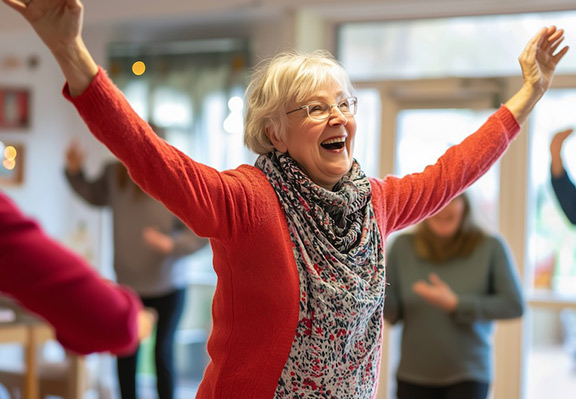
Fatigue and low energy can make it harder for older adults to stay active, even when they want to. Singing can help counter this by improving oxygen circulation and stimulating physical engagement. Musical activities, including singing, are associated with increased vitality and physical activation in older adults.
Did you know that singing can gently raise your heart rate and promote physical alertness without the strain of traditional exercise? This helps participants feel more energized and motivated to move throughout the day. This boost in energy can support independence and encourage participation in other healthy activities.
Overall Physical Wellness
Taken together, the physical health benefits of singing contribute to broader wellness for older adults. Singing engages posture, breath, circulation, and muscular coordination while also supporting immune function and recovery processes. It activates multiple areas of the brain and body at once, creating a whole-body experience that supports healthy aging.
Singing is also adaptable to different physical abilities, making it an inclusive option for older adults with varying levels of mobility and health status. Whether you’re practicing in a choir, a community ensemble, or at home, you can use your vocal cords to support overall quality of life well into your later years.
Sing Your Way to Wellness with Sounds Good Choir
Ready to reap all the health benefits of singing with a group? Join us! No auditions or experience are necessary — just come and have fun singing. Our professional conductors will help you be the best singer you can be, and you’ll be surprised at how many new people you’ll meet.
Join us at one of our upcoming concerts or contact us to learn more and register today for one of our choirs. We encourage you to attend the first two rehearsals to check us out, free of charge.
Sounds Good Choir enhances the well-being of older adults through the joy of singing in a fun, welcoming community. We are the second largest no-audition choral organization for older adults 55+ in the United States and the largest and fastest growing one in Chicagoland, with 11 choir locations in the city and suburbs.
0 Comments