
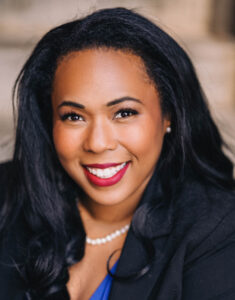
 Bringing a program like Good Memories to any neighborhood is important because all older adults can benefit from understanding dementia, learning about early detection and, for those already experiencing memory loss, discovering non-clinical ways to maintain cognitive health, even improve it. The need for a Good Memories choral program in Chicago’s predominantly African American South Side neighborhoods is critical because the incidence of dementia among African Americans is so much higher than among white populations. Understanding why the disparity exists was a key component to redesigning the Good Memories program model for its debut in the West Pullman neighborhood. Dr. Treasyri (“treasure”) Williams Wood, SLPD, CCC-SLP, the lead consultant Sounds Good Choir enlisted to spearhead the program redesign, is a speech-language pathologist who provides neurogenic speech-language pathology services and leads community outreach to expand equitable access to care across Chicago. She is also a classically trained opera singer! Dr. Williams Wood took time out of her busy day to explain health inequity—specifically brain-health inequity—among African Americans, the reasons for it and the importance of bringing the communities, themselves, into the program planning and redesign.
Question: Today everyone has the same access to education and resources and support groups. If those are available to families of color going through the journey of Alzheimer’s and dementias with a friend or family member, what’s unequal?
Dr. Treasyri Williams Wood: Availability and access are not the same thing. Equality means everyone gets the same thing. Equity means everyone gets what they actually need to have a fair shot. When a resource exists but requires reliable transportation to reach it, takes time off work to attend, assumes English as a first language, or is located in a neighborhood that does not feel safe or welcoming, it is not truly accessible, even if technically available.
For Black families navigating dementia, the barriers are often layered: geographic distance from specialized services, insurance gaps, distrust of systems that have historically failed them, and a shortage of providers who reflect their experience. Pointing to a brochure and saying “the information is out there” does not account for any of that. Equity asks us to close the gap between what exists and who can actually use it.
Q: What does medical history in the United States’ healthcare system have to do with health inequity for Black and BIPOC communities? How does a lack of diverse representation matter today?
TWW: This is not ancient history. The legacy of the Tuskegee Syphilis Study, the non-consensual use of Henrietta Lacks’ cells, forced sterilizations, and systematic exclusion from quality care did not disappear. They shaped how generations of Black families learned to relate to doctors, hospitals, and research institutions. That wariness is rational. It is a reasonable response to a documented pattern.
And the research problem is ongoing. When clinical trials and research studies draw predominantly from white populations, the findings do not translate equally. Treatment responses, diagnostic markers, and even symptom presentations can differ across populations. If the science that informs dementia care was built without people who look like my patients, then the standard of care is, by definition, incomplete. Diverse representation in research is not a diversity initiative but rather, a scientific necessity.
Q: In many Black families and communities, taking care of an aging relative is seen as a natural family duty of care, rather than a burden. How does this cultural value impact these communities from a healthy equity perspective?
TWW: There is something profoundly beautiful about a cultural orientation that says we care for our own. I grew up watching that value lived out when caring for my grandmother with Dementia, and I carry deep respect for it. But when that sense of duty exists without access to support, it becomes an invisible weight.
Family caregivers in Black communities often absorb enormous physical, emotional, and financial strain without ever naming themselves as caregivers, because in their frame, they are just doing what family does. That means they may not seek respite care, support groups, or outside resources, not because those things are not needed, but because asking for help can feel like a betrayal of a cultural value, or like admitting failure. The conversation around equity has to hold space for that. Supporting caregivers is not undermining family values. It is making it possible to sustain them.
Q: How are the resources from support groups and services (informational brochures, websites, etc.,) perceived/received by families of color?
TWW: When every face on the brochure looks the same, and that face does not look like yours, the message is communicated clearly, even if unintentionally: this was not made for you.
Marketing and outreach materials that center white families in their imagery, language, and cultural framing do not just feel exclusive. They signal to families of color that the organization behind the material has not thought about them, which raises a reasonable question: if they did not think about us in the brochure, did they think about us in the program?
“I don’t see color” is not the generous statement it is often meant to be. It is a refusal to see difference, which means it is also a refusal to see need. Culturally responsive outreach is more than checking a box. It is about making clear, through every touchpoint, that a community’s specific history, values, and concerns were part of the design, instead of an afterthought.
Q: How is mental health viewed in communities of color and does this cross over into dementias and how they are perceived? Is there stigma associated with dementia?
TWW: Mental health and cognitive decline have long carried stigma in many Black communities, rooted in survival-oriented norms that valued strength, privacy, and not airing family matters. There has also been a reasonable distrust of psychiatric and neurological systems that have historically pathologized Black behavior and over-diagnosed conditions in ways that served institutions rather than patients.
Dementia sits at a complicated intersection of those dynamics. Families may attribute early signs to normal aging, stress, or spiritual experience. Seeking a diagnosis may feel like opening a door that cannot be closed. Once a diagnosis is named, there can be a strong impulse to manage it privately, within the family, without reaching out for professional support.
What that means clinically is that Black individuals are more likely to present for evaluation at a later stage of cognitive decline, which limits treatment options and caregiver planning time. Reducing stigma in this context requires building trust first. Ultimately, trust is built through presence, relationship, and demonstrated cultural humility.
Q: How is Sounds Good Choir bringing Good Memories to communities of color on Chicago’s South Side? Why is this different than it might be if starting a new Good Memories choir in a predominantly white suburb or neighborhood? What is the same?
TWW: Sounds Good Choir did not arrive on the South Side with a program and ask the community to fit into it. The approach has been relational from the start: listening to community connectors, building partnerships with institutions that already have trust on the ground, and centering the voices of the people the program is designed to serve. That orientation matters enormously.
Starting a choir in a predominantly white suburb of Chicago and starting one in West Pullman are both meaningful. The participants in both settings deserve access to the social, emotional, and cognitive benefits that music-making provides. But the starting conditions are different. On the South Side, you are building alongside communities that have been overpromised and underserved by institutions for generations. That requires more than good intentions. It requires accountability, patience, and a genuine willingness to be changed by the community you are working with.
What is the same across contexts: dementia does not discriminate. Stigma exists everywhere. The science behind the benefits of choral singing for cognitive health and wellbeing applies regardless of ZIP code. The longing for joy, connection, and belonging is human and universal.
What is different: the infrastructure needed to make access real, the cultural knowledge required to build genuine trust, and the urgency. By expanding to the South Side now, Sounds Good Choir is preventing inequity from being built into this resource from the beginning, making sure that communities of color and white communities gain access at the same time.
Thanks to Dr. Williams Wood, for her thoughtful answers. For questions about the South Side Good Memories choir, please visit our website or use this link to request a phone call from our staff.
0 Comments